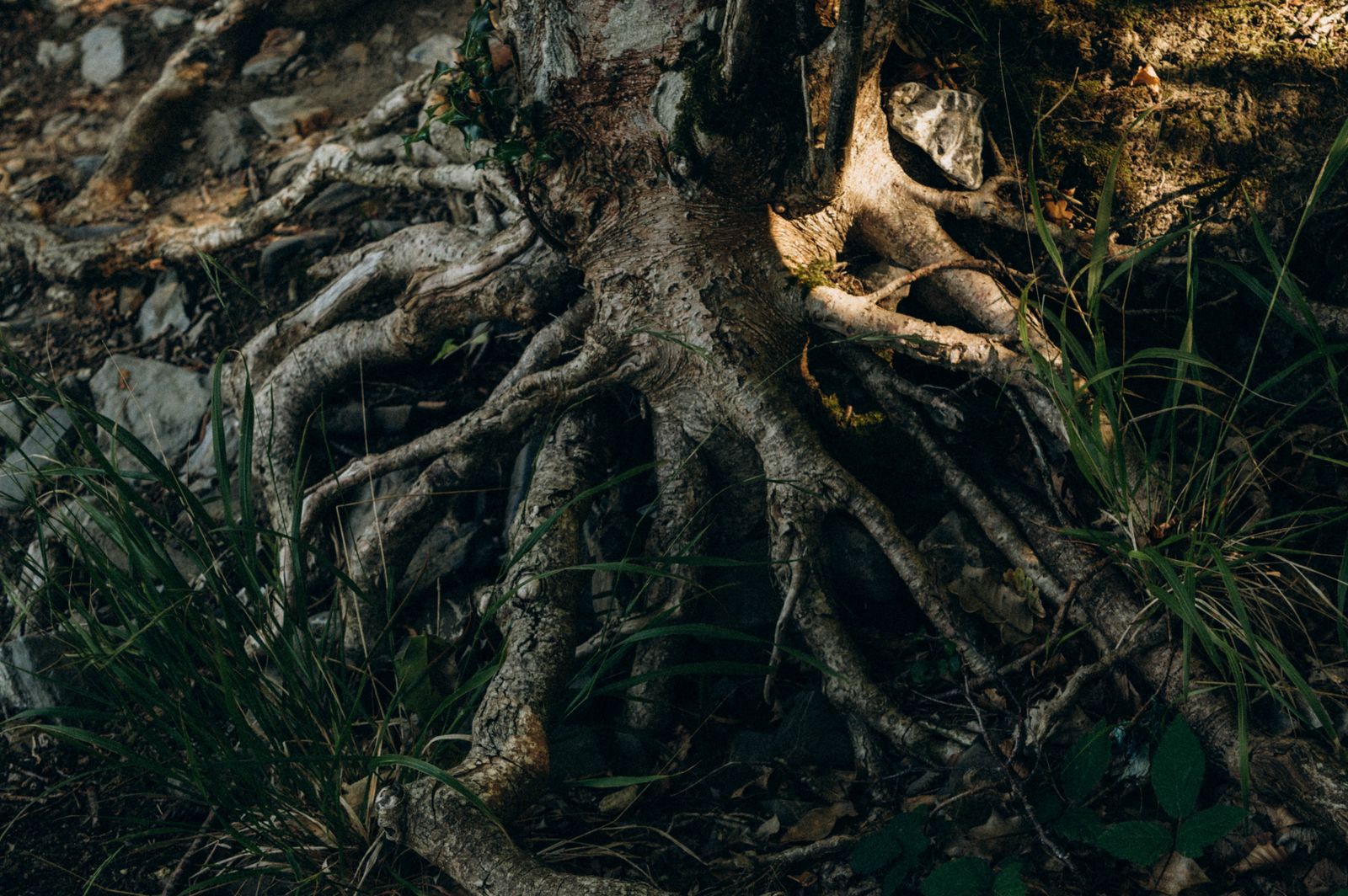
How tree roots in the sewer line get in
If your main line keeps clogging and the cable comes back with fibres on it, tree roots in the sewer line in Glenview are a likely cause. Roots do not break into a sound pipe by force. They follow moisture and warmth to a weak point, then grow inside.
The weak points are usually the joints. Older clay laterals were laid in short sections, and each joint is a place where a small gap can open as the ground shifts. A hairline crack does the same. Water vapour escapes, fine root hairs find it, and once inside they have water, nutrients and room to grow.
Over time those hairs thicken into a mat that catches paper and waste. Flow slows, then stops, and the lowest drain in the house shows it first.
Signs of roots in sewer lateral pipe
Roots in sewer lateral pipe tend to announce themselves in a recognisable pattern:
- Drains slow down gradually over weeks or months, then clog
- The clog returns a few months after clearing, often at about the same time of year
- Gurgling from a toilet or floor drain when other fixtures run
- Root fibres on the cable or jetter after a cleaning
- A sewage smell near the floor drain or cleanout
- Large trees standing between the house and the street
None of these prove roots on their own. A short camera look confirms it and shows how many joints are involved.
The timing can be a clue as well. Root growth tends to pick up in the warmer months, so a line that clogs every summer or early autumn often has roots behind it. A clog that appears right after a party or a holiday weekend is more likely to be grease or wipes.
Seeing that pattern at home? A camera look confirms it in one visit.
Have a tech confirm itCutting roots out of sewer line joints: what it does
Cutting roots out of sewer line joints is the first step for most root problems. A technician runs a cable machine with a cutting head through the line, or uses a high-pressure water jetter, to clear the root mass and restore flow.
What it does well:
- Restores flow quickly, often on the first visit
- Lets the camera see the pipe walls and the joints the roots came through
- Buys time while you decide on a longer-term fix
What it does not do:
- It does not seal the joint, so roots usually come back
- It does not fix a crack, an offset or a sag
- Aggressive cleaning of a badly damaged pipe can make a weak section worse, which is one reason the camera matters
If a line needs clearing more than once or twice a year, it is time to talk about the joints themselves.
Root intrusion, sewer pipe damage and when it means repair
Root intrusion in a sewer pipe becomes a repair question when the camera shows damage, not just roots. These are the usual findings that move the conversation on:
- Cracked or broken sections where roots have widened a gap
- Offsets that keep catching waste even after cutting
- Roots at many joints along the run, not just one or two
- A collapsed or crushed section near a large tree
The options range from a spot repair at one bad joint, to lining the whole lateral so it has no joints left for roots to enter, to replacing the pipe. Lining is covered on our trenchless sewer repair page, and older clay lines are covered on our clay sewer pipe replacement page.
If roots have already caused sewage to come up a drain, read our sewer backup page for what to do first.
Trees near the line on Glenview lots
Glenview's older neighbourhoods were planted generously, and many of those trees are now very large. On blocks around downtown, The Park, Swainwood and Countryside, the sewer path often runs right past a parkway tree or a big shade tree in the front yard, and the lateral beneath is frequently vitrified clay. That combination is where root calls come from most.

Clay-heavy glacial soil holds moisture near the surface, which keeps roots close to the depth where many laterals sit. Dry summers push roots to search harder for water.
On the west side, homes in The Willows from the 1960s and 1970s can still have joints that roots find, as our page on sewer line repair in The Willows explains. Newer 1980s lines, like many described on our page about sewer line repair in Indian Ridge, see roots less often, but a cracked fitting near a big tree can still let them in.
Keeping roots out after the repair
There is no promise that roots will never return, but a few habits help:
- Know your line. Keep the camera video and the distances where roots were found.
- Add access. A two-way cleanout makes future cleaning and checks quicker. See our page on sewer cleanout installation.
- Plan plantings. When planting new trees, ask where the sewer path runs and give it space.
- Check periodically. If you chose cleaning over repair, an occasional camera look shows whether roots are returning.
Decided it is time to deal with the joints? Get the options and the price first.
Get upfront pricing on the phone