Where trouble usually starts in Countryside
For many homeowners, sewer line repair in Countryside, Glenview starts with a slow basement drain that gets slower each month, or a backup after a heavy storm. The houses here are mostly postwar, and the sewer lines under them have often never been replaced, so the lateral is the first place to look.
A camera inspection shows whether you are dealing with roots, a sag, scaled cast iron or a cracked clay joint, which are very different repairs.
The homes in Countryside
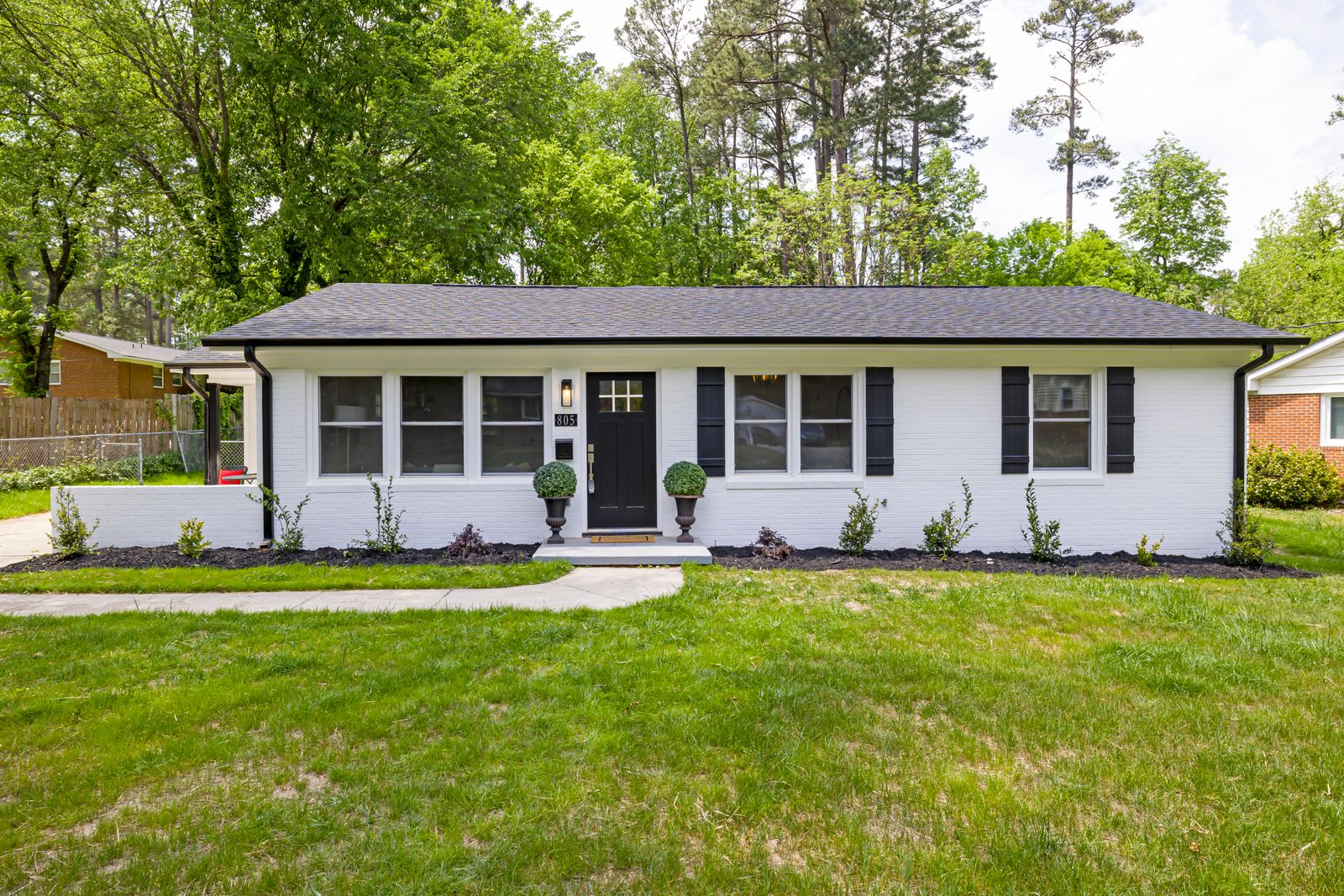
Countryside lies south of Glenview Road and east of Milwaukee Avenue, on streets such as Glendale Road, Meadow Drive, Glenwood Lane and Revere Road. It was built out mainly in the 1940s and 1950s, when postwar growth turned much of Glenview's farmland into suburban streets. Single-family houses dominate, many of them modest postwar designs, with a good number expanded, updated or replaced over the years.
The original houses typically drained through a cast iron stack in the basement to a lateral under the front yard. In that era the lateral itself was very often vitrified clay, and sometimes cast iron for the first stretch outside the foundation. Lots are comfortable rather than huge, so the run to the street is usually moderate, though it can pass under a driveway or front walk.
Postwar tree planting has matured, and many of the shade trees along these streets are now large. In ZIP 60025, with clay-heavy soil that stays damp, those roots are never far from the pipe.
Postwar house with slow drains? See what the pipe looks like first.
Book a camera look in CountrysideSewer line replacement, Countryside: typical findings
Homes from this era tend to show a familiar set of issues on camera:
- Scaled cast iron near the house. Over decades, the inside of cast iron can build up scale and corrosion that narrows the pipe and snags paper.
- Roots at clay joints further out under the lawn, especially near large trees.
- Bellies. Settling soil can leave a low section where waste collects and clogs keep returning.
- Storm-related backups. In heavy rain, a lateral that is already partly restricted has less room to cope, so storms often reveal a problem.
Sewer line replacement in Countryside makes sense when damage is spread along the line or a section has collapsed. Where one joint or one stretch is the problem, a spot repair may be enough. If you are dealing with sewage on the floor right now, start with our page on sewer backup help.
Sewer camera inspection, Countryside: first checks
On a postwar Countryside home, the technician typically enters through a basement cleanout or the base of the stack and pays close attention to:
- The condition of any cast iron near the foundation, including scale and cracks
- Where the line changes to clay, and whether that transition is aligned
- Root entry and its density at each joint under the lawn
- Low spots where water stands, measured and located from above
A sewer camera inspection also reveals past repairs, which are common on houses this age. Knowing that a section has already been replaced helps target the right part of the line.
From the call to a plan in Countryside
When you call, mention whether the problem started after rain, after heavy laundry use or on its own, and whether the line has been cleared before. A tech who works south of Glenview Road is booked, ideally for that day.
They clear the line if it is blocked, run the camera and show you what it found. Options might range from cutting roots and descaling, to repairing one joint, to lining or replacing the lateral. You get upfront pricing for the options that fit before any work begins.
Storms, basements and backwater valves in Countryside
Postwar Countryside homes almost all have basements, and the floor drain is the lowest opening in the house. That makes storm-season backups a real concern when the lateral is already partly restricted by roots, scale or a sag.
The first step after a storm backup is the same as any other: stop using water, keep away from the sewage and call. Once the line is cleared, the camera shows whether something in your own lateral made it worse. Fixing that restriction is often the most useful thing you can do.
Some owners also ask about a backwater valve, a one-way device on the lateral that closes when flow tries to reverse. Whether it suits your plumbing, and what installing one would involve, is a question for the technician on site, since every basement is laid out a little differently.
Nearby areas and related services
To the east, larger lots and many rebuilt homes are covered on our page about sewer line repair in Glen Oak Acres. On the west side, newer construction is described on our page on sewer line repair in The Glen. Suspect roots? Read up on tree roots in sewer line trouble and what usually follows a root cut.