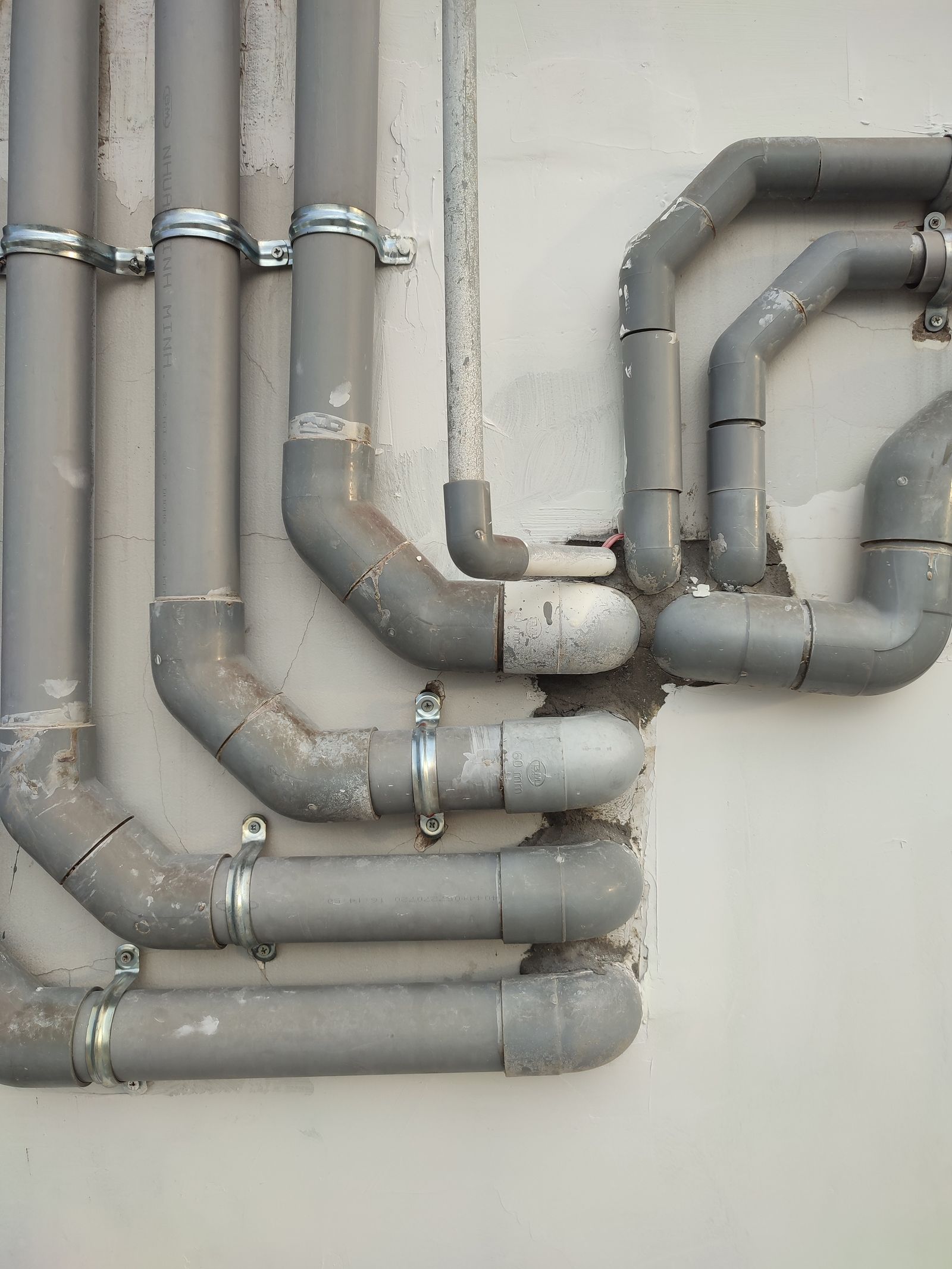
What sewer cleanout installation in Glenview involves
A sewer cleanout is a capped pipe that rises from the sewer line to an accessible spot, either inside near the foundation or outside in the yard. Take the cap off and a technician has a straight path into the lateral for a cable, a jetter or a camera.
Sewer cleanout installation in Glenview means cutting into the existing lateral, fitting a proper wye or two-way fitting, and running a riser up to a cap at or near the surface. Outside, the cap usually sits just at grade so a mower can pass over it.
It is not a glamorous upgrade, but it changes how every future sewer visit goes.
No idea whether your house has a cleanout? Ask and a pro can find out.
Get a straight answer on cleanoutsHomes without an outdoor sewer cleanout
Many older Glenview houses were built without an outdoor sewer cleanout. Some have an interior cleanout in the basement, sometimes in an awkward spot behind a finished wall or under stairs. Others have only a floor drain and a stack, and the technician has to work through a toilet or a roof vent to reach the line.
That works, but it is slower and messier, and getting a camera or cutter all the way to the street can be harder. If your home has needed the main line cleared more than once, an accessible cleanout pays off quickly in time and disruption.
One-way vs two-way cleanout
A one-way cleanout points tools in one direction, usually toward the street. A two-way cleanout has two openings, one facing the house and one facing the street, so a technician can clear or inspect in both directions from a single spot.
A two-way cleanout outside the foundation is a common choice when the line is being opened anyway, because it gives the most flexibility later. The pro will recommend a type and location based on your lateral and how the house drains.
Install sewer cleanout access while the line is already open
No moment is simpler to install sewer cleanout access is when the line is already exposed. If you are having a spot repair, a section replaced, or the line prepared for trenchless sewer repair, adding a cleanout at the same time takes advantage of the open pit.
It can also be done on its own. The technician locates the lateral, digs a small access hole at a suitable point, cuts in the fitting and brings the riser up to grade. Before that, a sewer camera inspection confirms the condition of the pipe where the fitting will go, because cutting into a badly cracked section is not a good idea.
Placement matters as much as the fitting. The pro will look at where the lateral leaves the house, how deep it runs, what sits above it and where a cap will be easy to reach but out of the way of mowing, snow clearing and parked cars. You will hear the plan and the upfront price before any digging starts.
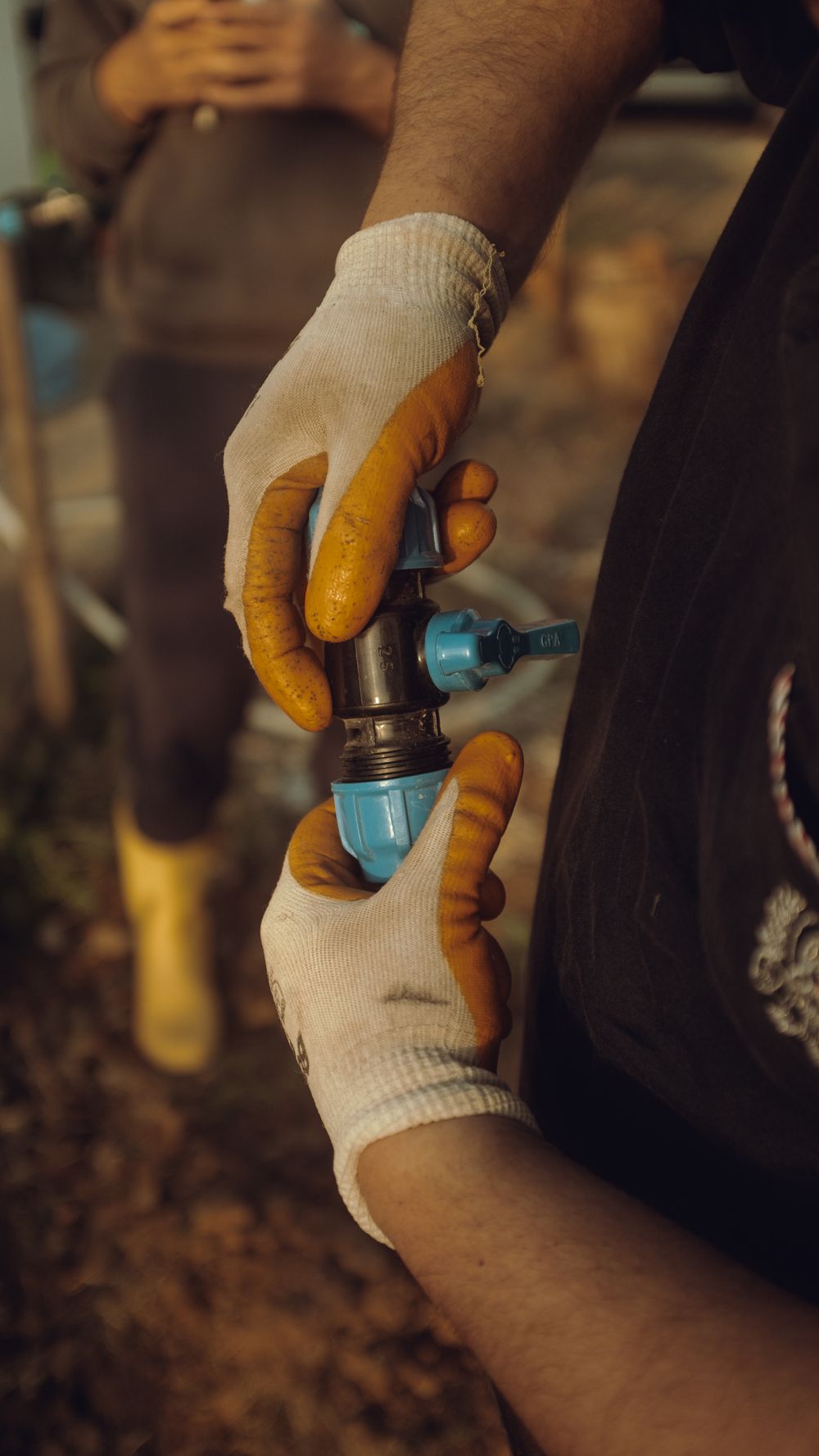
What changes once a cleanout is in
Once a proper cleanout exists:
- Clearing a blockage starts at the line itself, not at a toilet or a roof
- The camera can travel the whole lateral more easily
- There is less disturbance inside the house during a backup
- Roots and recurring clogs can be maintained with less effort
- Future repairs and inspections have a known, marked access point
It is one of the few sewer upgrades that helps every visit after it.
There is a practical side for the household too. During a backup, a technician working from an outdoor cleanout does not need to pull a toilet or run a cable across a finished basement, and the mess stays outside. When roots or grease need regular attention, a known access point turns a long visit into a shorter, simpler one. And when you sell, a buyer's scope is easier to arrange when the inspector does not have to hunt for a way into the line.
Cleanouts in Glenview homes
In the older blocks near downtown and in Swainwood and Countryside, interior cleanouts are common and outdoor ones less so, and those lines are often clay with roots to maintain. An outdoor two-way cleanout is a practical upgrade there.
West-side homes vary. Many houses in The Willows from the 1960s and 1970s have an interior cleanout in the basement or crawl space, as our page on sewer line repair in The Willows explains. Larger 1980s homes, covered in our page on sewer line repair in Indian Ridge, often have longer laterals where an outside access point helps the camera reach the street.
At The Glen, newer construction usually includes cleanouts, though they may be hidden under landscaping or mulch.
Finding your cleanout
Look for a round cap, usually 3 to 6 inches across, often with a square nub or a slotted plug:
- Outside: near the foundation on the side facing the street, sometimes hidden in a planting bed
- Inside: in the basement or utility room, low on the wall or floor near where the main stack goes down
- Crawl spaces: near the foundation wall on the street side
If you find one, do not open it while drains are backing up. Leave it for the technician. House hunting? Booking a sewer scope before buying a house also tells you whether a usable cleanout exists.
Found the cap but not sure what it is? Describe it on the phone.
Call to describe your setup