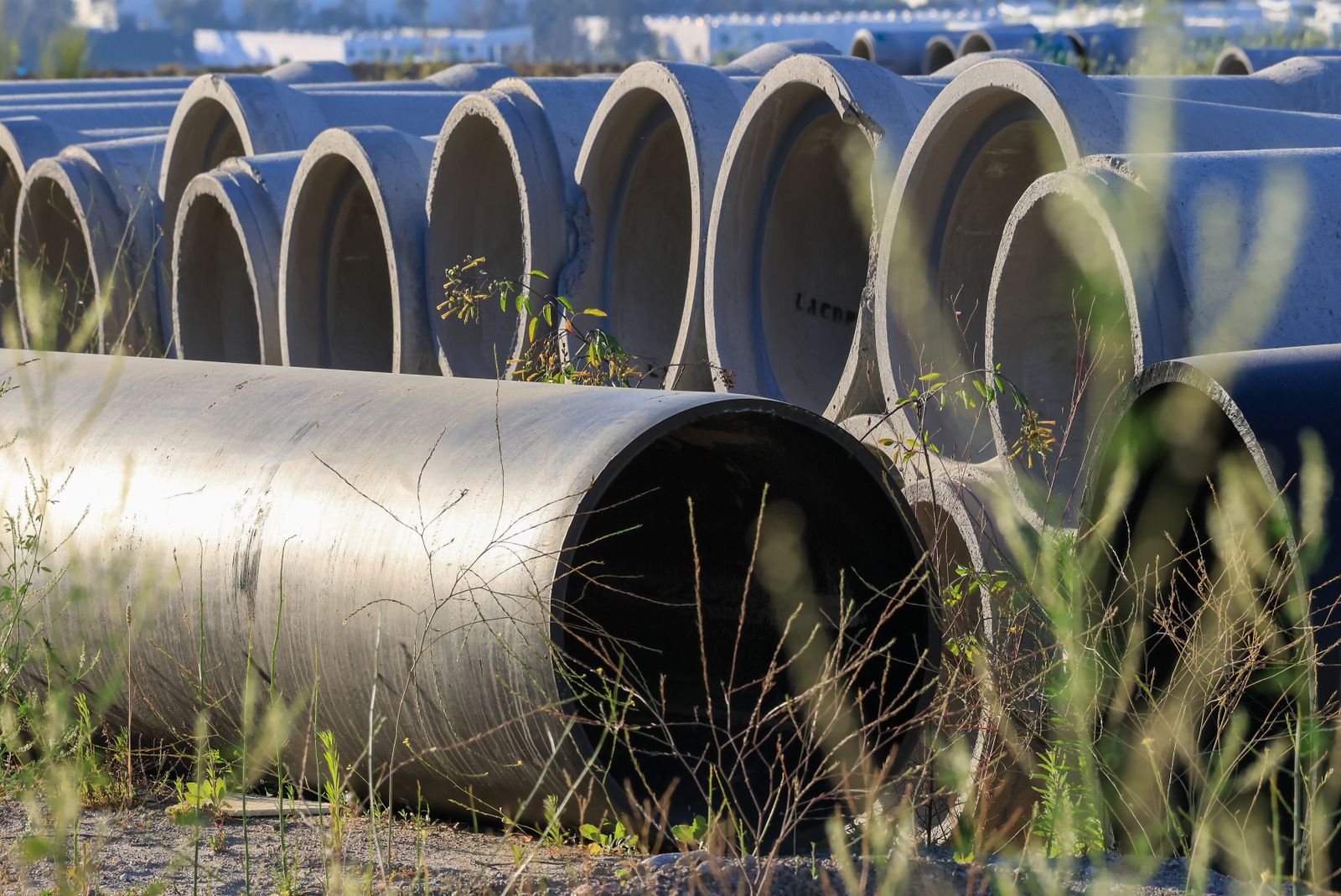
Which pipe materials Glenview homes used, by era
If your house was built before the 1970s, there is a fair chance clay sewer pipe replacement in Glenview is a question you will face at some point. The lateral under older homes here was often vitrified clay: strong, fired pipe laid in short sections with a joint every few feet.
Not every older home is the same, though. Some have cast iron near the foundation and clay further out. A few postwar houses may have Orangeburg, a fibre pipe used for a period in the mid-twentieth century. Many homes have had sections replaced over the years, and rebuilt homes may have a new house sitting on an old line.
| Material | Where it tends to appear | Typical trouble |
|---|---|---|
| Vitrified clay | Many homes built before the 1970s | Roots at joints, offsets, cracks |
| Cast iron | Often near or inside the foundation of older homes | Scale build-up, corrosion, cracks |
| Orangeburg | Some mid-century homes | Deforming and flattening |
| PVC or ABS plastic | Newer homes and past replacements | Bellies, poor connections, blockages |
These are general tendencies, not rules. The only way to know what is under your yard is to look with a camera.
Where old clay laterals give out
The fired clay itself resists the things that flow through a sewer. The weak points are the joints and the ground around them:
- Root entry. Each joint is a place where roots can find moisture and grow inside.
- Offsets. As soil shifts and settles, one section can drop or lift relative to the next, leaving a lip.
- Cracks. Ground movement, heavy loads above or root pressure can crack a section.
- Bellies. Settling soil can leave a low stretch where waste collects.
Orangeburg behaves differently: it can lose its shape and flatten under the weight of the soil. Older cast iron can scale and corrode inside, narrowing the pipe. A camera shows which of these you are dealing with, and how much of the line is affected.
Clog keeps coming back in an older house? Find out what the pipe is made of first.
Book a camera look todayOld sewer pipe replacement, lining or spot repair
Old sewer pipe replacement is one of three common answers, and the camera usually decides between them:
- Spot repair. If one joint or one short section is the problem, that part can be dug out and replaced with new pipe and proper couplings. It is often the most direct fix when damage is limited.
- Lining. If the line is still round and continuous but has root-prone joints and cracks along its length, a cured-in-place liner creates a jointless pipe inside the old one. That is covered on our trenchless sewer repair page.
- Full replacement. If the pipe has collapsed, sags badly, or has damage along much of its length, replacing the lateral is usually the long-term answer. That can be by open trench or, where suitable, by pipe bursting.
The pro will explain why they recommend one option over another, show you the video, and give upfront pricing for the options that fit.
Orangeburg pipe replacement and what goes in today
Orangeburg pipe replacement is almost always a replacement rather than a repair, because once the fibre pipe has deformed there is little left to line. The same is true of clay or cast iron sections that have collapsed.
Replacement laterals today are usually plastic pipe, joined with fittings designed for buried sewer use, laid at a steady slope and bedded properly. Where the new pipe meets any remaining old pipe, a transition coupling made for that pair of materials is used. The exact material and method depend on your line and current local requirements, and the pro will explain what they plan to use and why.
When a cast iron sewer pipe section near the house is also badly scaled or cracked, it may make sense to replace it in the same job while the line is open.
Replacing the line on a typical Glenview lot
A typical older Glenview lot has the house set back from the street, a lateral running under the front lawn, often a front walk or driveway, and frequently a large parkway or front-yard tree. Each of those changes the plan.
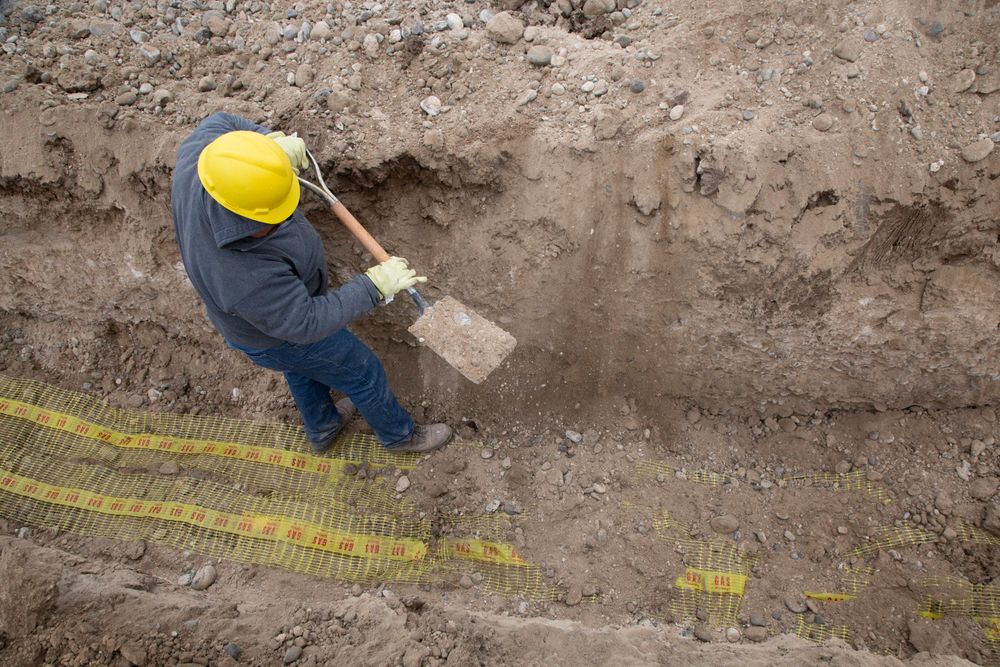
Before digging, the line is located and marked from the surface. The pro will talk through where access is needed, what will be disturbed and how the surface is restored, so there are no surprises. On rebuilt homes in East Glenview, where an older lateral may sit under a newer driveway, that conversation matters even more, which our page on sewer line repair in Glen Oak Acres explains.
Homes at The Glen are much newer and rarely have clay at all; if you live there, our page on sewer line repair in The Glen is more relevant.
Putting in a cleanout during that same dig costs little extra effort and makes any future camera or clearing visit much easier. Our page on sewer cleanout installation explains why.
Older laterals and a Glenview home sale
An older clay or Orangeburg lateral is one of the more expensive surprises a new owner can inherit, and a general home inspection usually does not look inside it. If you are buying a house built before the 1970s, book a sewer scope before buying a house so the lateral is on video before you close.
Sellers can do the same before listing. Some places have point-of-sale rules for laterals; requirements change, so check current local requirements rather than relying on what applied to a neighbour.
Buying an older house? Get the line on video before you close.
Schedule a pre-purchase scope